
Vietnamese coffee has taken the world by storm. Google searches for this unique brew have jumped 61% in just one year. The numbers tell an impressive story – Vietnam has become the world’s second-largest coffee producer, right behind Brazil.
The secret to Vietnamese coffee’s appeal lies in its bold character and unique drink mixes. Most coffee shops focus on Arabica beans, but Vietnamese coffee makers choose Robusta beans that deliver double the caffeine kick. The proof is in the numbers – Vietnam’s coffee exports hit $2.9 billion in early 2023, showing a remarkable 43.9% rise from last year. Young people love it too. A whopping 71% of American Gen Z consumers want to try Asian-inspired coffee drinks like Vietnamese coffee.
Let’s discover why Vietnamese coffee stands out from other varieties and what makes it irresistible. The bold, rich flavors and unique brewing methods have transformed coffee shops worldwide. We’ll explore its signature recipes and understand why coffee lovers everywhere can’t get enough of this distinctive brew.
The Best Vietnamese Coffees
| Type | Servings | Highlights | Buy Now |
|---|---|---|---|
| 3-in-1 Instant | 100 cups | Trung Nguyen G7 Instant Coffee – with NANO+ Technology, Roasted Ground Blend, Non-dairy Creamer & Sugar (in Sticks). Enjoy the full hot or cold Vietnamese coffee experience with no effort. | Available Now |
| Ground | 20 cups | TRUNG NGUYEN LEGEND PREMIUM BLEND Premium Roasted Ground Coffee – Intense Flavor and Chocolate Fragrant by Robusta & Arabica Coffee Beans Blend – Full City Roast with Low Acidity (425g/Can). | See on Amazon |
| Liquid | 12 cans | Little Green Cyclo Vietnamese Coffee, Complete Set (Classic, Ube, Coconut, Mocha, Sparkling Passion Fruit), Ready-to-Drink, 7.5 oz cans | Check the Price |
Vietnam’s Coffee Legacy and Global Rise
Vietnamese coffee has captured global attention in the last few years, though its story dates back more than a century. The French brought coffee to Vietnam during their colonial rule in the 1800s, and it has grown from a local favorite to a worldwide sensation. The economic reforms of the 1980s sparked a dramatic rise in Vietnam’s coffee production. The country produces about 1.7 million metric tons of coffee each year, which makes up nearly 20% of global coffee supply. Vietnam has carved out its own coffee identity despite being a newcomer to the global market. Its coffee exports continue to grow as Vietnamese brands find their way to international shelves.
The role of Robusta beans in shaping flavor
The taste of Vietnamese coffee comes from one significant choice—Robusta beans. While Western coffee cultures prefer Arabica beans, Vietnam’s central highlands are perfect for growing Robusta.
Robusta beans give the coffee a bold profile with:
- Higher caffeine content (nearly double that of Arabica)
- Rich, chocolatey undertones
- Nutty, earthy flavors
- Less acidity and more bitterness
These qualities set Vietnamese coffee apart from other varieties. The strong flavor pairs perfectly with sweetened condensed milk, creating a memorable balance of bitter and sweet tastes.
How French colonialism introduced coffee to Vietnam
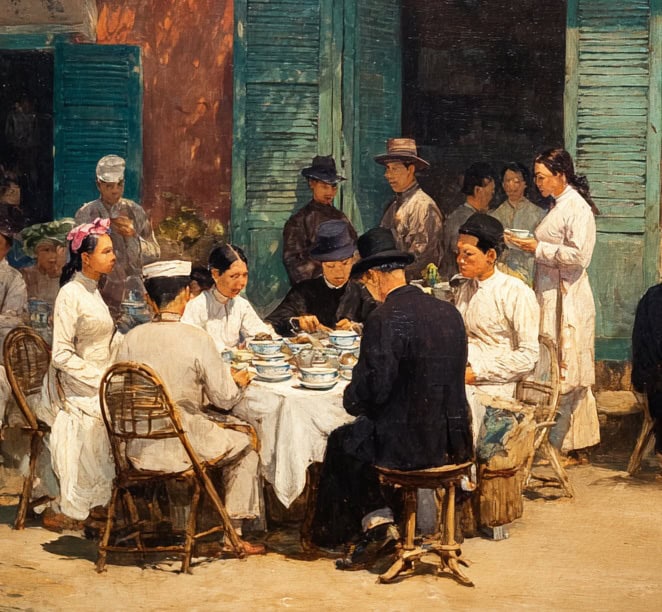
The French established the first coffee plantations in Vietnam’s fertile highlands in 1857. During colonial times, milk shortages led Vietnamese people to use sweetened condensed milk—which became a defining feature of their coffee culture.
This mix of colonial influence and local creativity birthed something unique. The Vietnamese didn’t just copy European coffee traditions. They made them their own by developing special brewing methods like the phin filter that gets the most flavor from Robusta beans.
This approach created a coffee tradition that stands alone—celebrating its French roots while showcasing Vietnamese creativity and love for bold, unforgettable flavors.
What Makes Vietnamese Coffee Taste So Unique
Vietnamese coffee’s distinctive character comes from its unique brewing process and ingredients that create an unforgettable taste experience.
The phin filter and slow brewing method
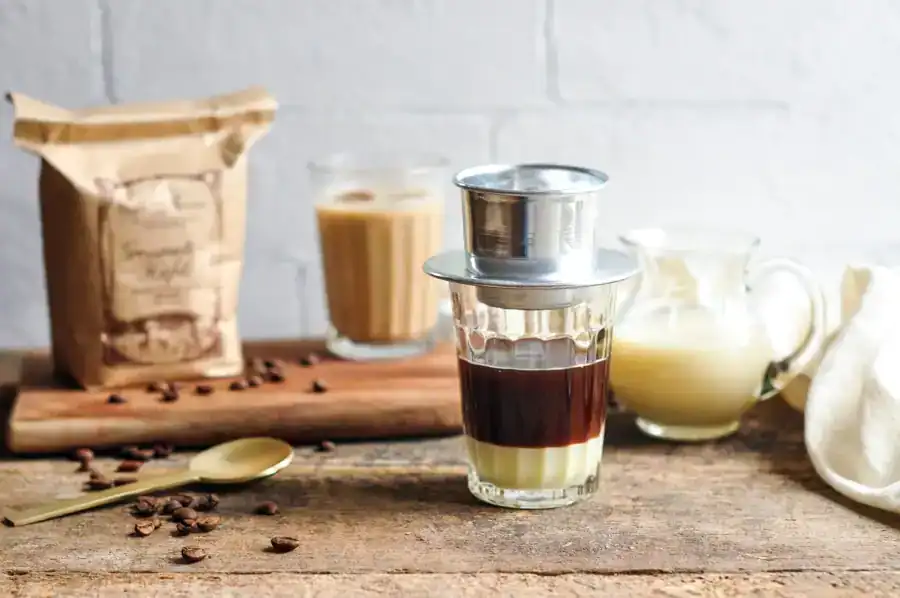
The phin filter stands as the heart of authentic Vietnamese coffee—a simple yet ingenious stainless steel device with four parts: a plate, chamber, filter press, and lid. This traditional tool creates a brewing ritual that’s unlike any other coffee preparation method. Your cup sits beneath the phin as coffee drips through at an almost meditative pace, and takes about 3-5 minutes to complete. The slow extraction pulls maximum flavor from the grounds and creates a concentrated, rich beverage that’s like espresso rather than typical drip coffee.
Use of sweetened condensed milk
Traditional Vietnamese coffee’s foundations are built on sweetened condensed milk, which goes to the bottom of the cup before brewing starts. This thick, creamy ingredient isn’t just a substitute for fresh milk—it’s a key component that balances the coffee’s intense bitterness perfectly. You get a harmonious blend of contrasting flavors: bold coffee meets velvety sweetness, creating that signature Vietnamese coffee taste people can’t resist.
Bold, chocolatey, and low-acid flavor profile
Vietnamese coffee gives you a taste that’s bold, sweet, refreshing, and savory all at once. You’ll notice flavors of chocolate, nuts, oak, hazelnut, and caramel with minimal acidity. On top of that, it keeps its distinctive character beautifully when iced or mixed with condensed milk, instead of becoming diluted.
Why does Vietnamese coffee taste different?
The unique character of Vietnamese coffee comes from several factors. Robusta beans, which pack nearly twice the caffeine of Arabica beans. The phin’s slow drip method draws deeper, more complex flavors than quick brewing techniques.The beans contain 60% less sugar and fat than Arabica varieties, which creates a bolder, stronger brew. These elements ended up creating a coffee experience that stands apart from Western coffee traditions.
Signature Vietnamese Coffee Drinks Gaining Global Fans
Vietnamese coffee culture has created several iconic drinks that are gaining worldwide attention. Each drink adds its own unique twist to the traditional strong coffee flavor.
Cà phê sữa đá (iced coffee with condensed milk)
Cà phê sữa đá stands as Vietnam’s signature coffee drink, striking a perfect balance of bitter and sweet notes. The refreshing combination features strong, dark-roasted coffee and a thick layer of sweetened condensed milk poured over ice. This adaptation emerged during the French colonial period when fresh milk was hard to find, and it has grown into Vietnam’s most famous coffee export. The intense coffee flavor stays strong even with ice, making it a perfect choice for hot days.
Cà phê trứng (egg coffee)
This dessert-like drink emerged in 1940s Hanoi during milk shortages. It features a creamy topping made from whipped egg yolks, sugar, and condensed milk that floats on strong black coffee. The taste resembles liquid tiramisu. Some versions now include cheese or a splash of rum or whiskey to complement the egg flavor.
Cà phê muối (salt coffee)
Salt coffee started in Hue around 2010 and has taken Vietnam and other countries by storm. This creative drink combines robusta coffee with a hint of salt—usually pink Himalayan—creating a taste similar to salted caramel. The salt cuts through the bitterness and brings out coffee’s natural sweetness. Starbucks Vietnam launched their own version in May 2023, showing how popular this trend has become.
Cà phê cốt dừa (coconut coffee)
This tropical blend mixes strong coffee with coconut milk or cream and ice to create a refreshing, dessert-like drink. The rich coconut balances perfectly with the coffee’s acidity, making it great for summer. While some places use coconut ice cream, coconut cream blends better with the coffee. You can get it hot during winter, but most people prefer it iced.
Yogurt and fruit-based coffee drinks
Vietnamese yogurt coffee (sua chua cafe) brings together plain yogurt, sweetened condensed milk, Vietnamese coffee, and crushed ice. The yogurt adds a tangy creaminess while the coffee brings its rich aroma and chocolate notes. Creative variations include coffee blended with banana or avocado for smoothies that offer both caffeine and nutrients. These innovative drinks show how Vietnamese coffee culture keeps evolving while honoring its traditions.
Social media and Gen Z interest
Social media has accelerated this growth significantly. Vietnamese coffee-related social media interactions jumped 324% while online sales grew 133%. American Gen Z consumers show remarkable interest – 71% want to try Vietnamese-inspired coffee drinks. Vietnamese coffee recipes on TikTok have racked up millions of views.
Rise of Vietnamese cafes in the US and Europe
Vietnamese cafés have sprung up throughout Western markets. 7 Leaves Café, with its Vietnamese-inspired menu, runs more than 40 branches across America. Independent Vietnamese cafés like Phin Ca Phe (Seattle) and Càphê Roasters (Philadelphia) have built strong customer bases.
Why is Vietnamese coffee so good?
More people now enjoy Vietnamese coffee’s bold flavor profile with its chocolate and caramel notes. Robusta beans, the main variety used, pack quite a punch – they contain nearly double the caffeine, twice the antioxidants, and 60% less natural sugar than Arabica varieties.
Conclusion
Vietnamese coffee’s bold taste has become more than just another coffee trend in global markets. Its distinctive brew has earned worldwide recognition by combining tradition with innovation and unforgettable flavor. Robusta beans create that signature chocolatey, nutty profile with almost twice the caffeine of typical Western coffee varieties. The methodical phin brewing process draws out deep, complex flavors that taste amazing both hot and cold.
A colonial adaptation transformed into something uniquely Vietnamese. Sweetened condensed milk perfectly balances the strong coffee, while creative versions like egg coffee, salt coffee, and coconut coffee showcase Vietnam’s innovative spirit. People worldwide now embrace not just the drink but an entire coffee philosophy.
The data speaks volumes. Vietnamese coffee exports surged 44% in early 2023, while brands like Nguyen Coffee Supply and Copper Cow Coffee keep growing their American presence. Authentic Vietnamese cafés now dot Western cities, introducing traditional brewing methods to new coffee enthusiasts.
These distinctive flavors particularly appeal to young coffee drinkers. Vietnamese coffee content fills social media feeds, getting millions of views and sparking more interest in these unique drinks.
This coffee movement shows how people’s tastes are evolving toward bold, distinctive flavors. Once seen as only an exotic specialty, Vietnamese coffee has become an accessible high-end coffee culture staple. This remarkable transformation from Hanoi’s streets to global coffee shops shows how traditional methods and unique ingredients capture coffee lovers’ hearts worldwide.