

Traditional qishir: coffee without the coffee beans
Order qishir at a Yemeni coffee house and you’ll receive something that defies expectations. This traditional hot drink uses coffee husks instead of beans, brewed with ginger and cinnamon. The result tastes lighter and more tea-like than conventional coffee, with a delicate spice profile that feels warming rather than jolting.
The preparation requires attention. Water boils with the husks and spices, then rests off heat at least three times to extract the flavors. Some cafes now use finely ground coffee beans as an alternative to husks, which are harder to source.
Yemeni lattes with honey and spices
Yemeni lattes blend espresso with a spice mixture that has cardamom, ginger and cinnamon. Honey sweetens the drink and balances the bold coffee flavor. Qahwah House crafts their signature Yemeni latte with house-roasted beans and traditional Arabian spices. The drink comes hot or iced, with frothy milk adding a creamy texture.
Adeni tea and other signature beverages
Adeni tea, also called Shahi Haleeb or Karak, starts with strong black tea brewed with cardamom and cinnamon. What sets it apart is the evaporated milk that creates a rich, creamy texture. The tea gets brewed until dark red, then spices infuse for about 10 minutes before milk goes in. The frothy finish comes from whisking or steaming the milk
Why Yemeni Coffee Costs More and Tastes Different
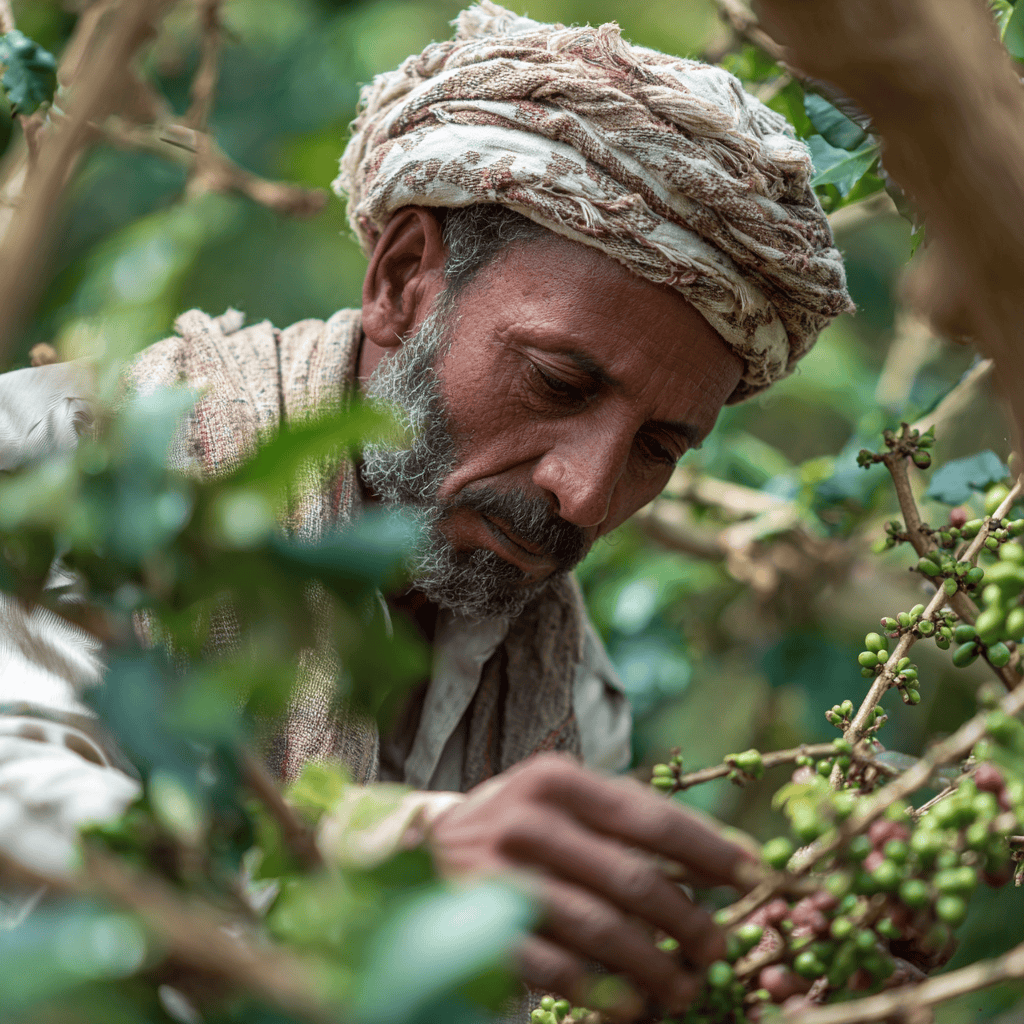 Yemeni farmers work today as if nothing has changed over the last 400 years. The production process for Yemen coffee beans has stayed the same for over 500 years. Small family farms plant on terraced fields carved into the mountainous landscape. Coffee plants grow without chemicals and use 100% natural selective harvesting and dry processing.
The beans dry with the fruit husk intact through a special drying period in caverns and on rooftops. This natural processing creates the complex earthiness and dried fruit tones that define Yemen coffee. Farmers say they care for coffee as they care for a child, which is a saying that carries through generations.
High-altitude terraced farming and sun-drying process
Yemeni coffee grows between 1,500 and 2,500 meters above sea level on terraced mountainsides. Cooler air at these elevations slows cherry ripening and gives beans more time to develop complex sugars and concentrate flavor compounds. Farmers handpick cherries after five years of cultivation and then dry them on rooftops for up to four weeks. This sun-drying process with the fruit intact amplifies sweetness while moderating the sharp acidity typical of high-altitude origins.
The distinct flavor profile: fruity, spicy, and wine-like
You’ll find deep dried fruit notes of fig and dark cherry alongside dark chocolate undertones. The body runs thick and syrupy. Spicy accents of cinnamon and cardamom appear often, with some lots showing wine-like complexity. Each harvest reflects its specific site rather than uniform consistency.
Natural processing methods that create complexity
The natural drying method leaves the coffee cherry fruit attached to the bean during the whole drying period. This extended contact allows sugars and flavors from the fruit to infuse the seed and creates the fruity, wine-like notes that define Yemeni coffee.
Conclusion
Yemeni coffee houses are known for being open late. You might be drawn by the honey-spiced lattes or the 500-year-old coffee heritage. Maybe you want a place to connect past midnight without alcohol. These cafes deliver something Starbucks never could. The premium prices reflect centuries of tradition and the labor of smallholder farmers who treat coffee like family. The next time you spot a Yemeni coffee house, step inside. You might find your new third place.