
Does Coffee Creamer Need to Be Refrigerated? (Updated 2026)
Refrigeration depends on the exact creamer.
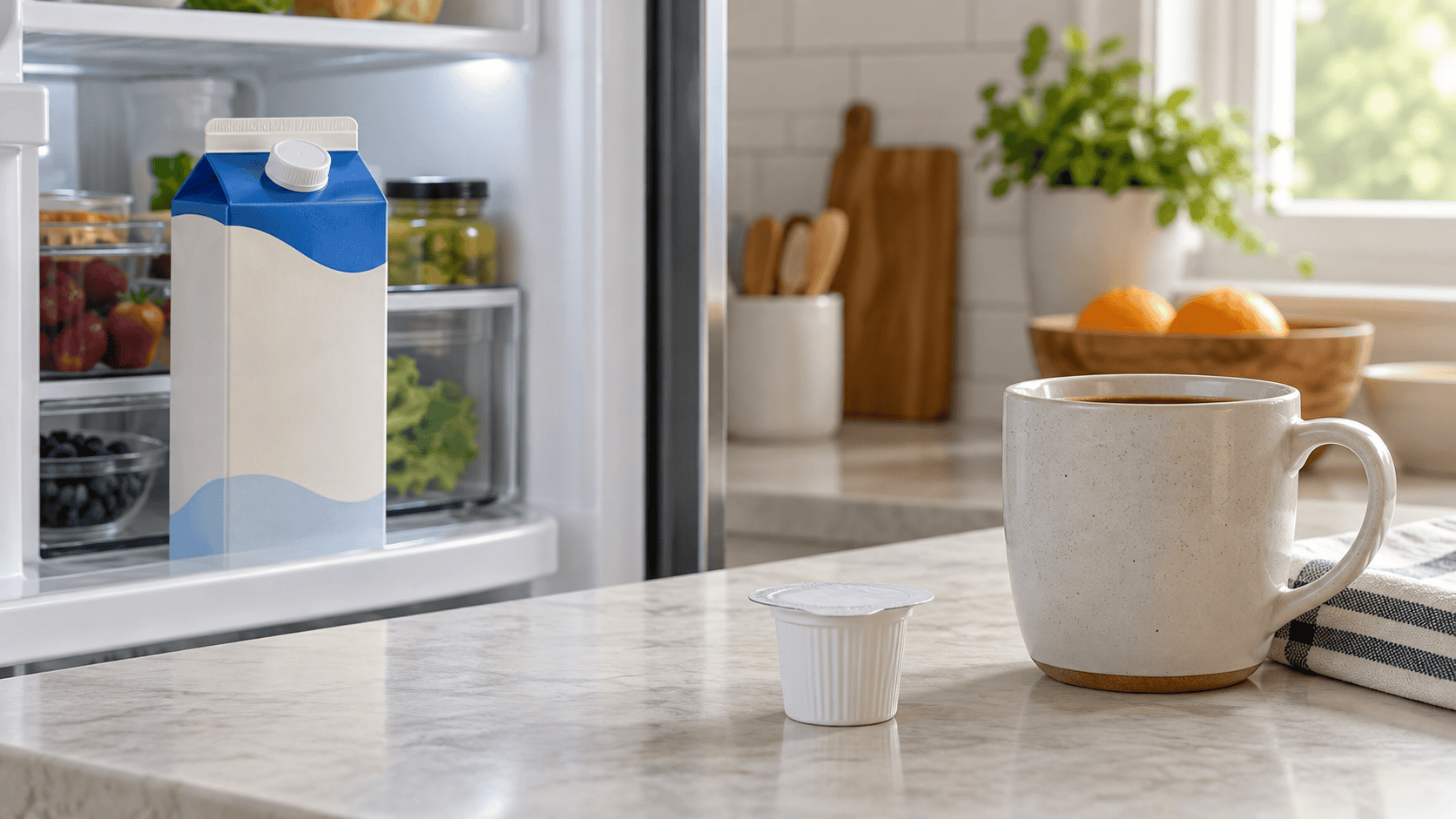
Refrigeration depends on the exact creamer. The dependable principle is easiest to use when it is separated from the details that vary by coffee, equipment, recipe, and personal taste. That distinction matters because coffee language often sounds more exact than it is.
Good storage limits moisture, oxygen, heat, light, and repeated temperature changes while keeping the product convenient to use. The useful approach is to begin with a sound baseline, observe the cup or equipment, and make one change at a time. You do not need perfect laboratory control, but you do need enough consistency to know which change produced the result.
What the term means in practice
Refrigeration depends on the exact creamer. Refrigerated dairy and many plant-based creamers must stay cold, some unopened shelf-stable products can remain at room temperature, and single-serve cups follow their own label directions; after opening, the package instructions control. Treat that as a starting point rather than a rigid promise. Coffee is an agricultural product, recipes differ, and equipment designs create their own boundaries. When a package, brewer manual, café menu, or roaster provides a specific definition, use that information for the product in front of you.
A useful explanation should also say what the answer does not mean. It does not guarantee the same flavor, strength, caffeine, shelf life, or performance in every situation. The goal is to give you a reliable way to make the next decision, then let taste, observation, and manufacturer guidance refine it.
What changes the result
- 1. Package barrier and how tightly it closes.
- 2. Room temperature, humidity, sunlight, and nearby heat.
- 3. Opening frequency, clean utensils, and expected use time.
These variables interact. Changing several at once can make a good result difficult to repeat and a bad result difficult to diagnose. Keep a brief note of the coffee, equipment, amount, time, and outcome. That simple record turns a vague impression into a useful comparison.
Water and freshness deserve special attention in almost every coffee question. Clean water with a balanced mineral level supports extraction, while stale coffee can flatten aroma and make technique changes seem ineffective. Clean equipment prevents old oils and residue from becoming part of the flavor.
A practical method
- Step 1: Read the package storage instructions first. This keeps the decision observable and makes the next adjustment easier to judge.
- Step 2: Move the product only to a clean dry airtight container when needed. This keeps the decision observable and makes the next adjustment easier to judge.
- Step 3: Store it in a cool dark location away from steam. This keeps the decision observable and makes the next adjustment easier to judge.
- Step 4: Discard it when moisture, mold, pests, or an abnormal odor appears. This keeps the decision observable and makes the next adjustment easier to judge.
After the first attempt, judge the result when it is safe and at a useful tasting temperature. Aroma, sweetness, acidity, bitterness, body, texture, and finish provide more information together than any single visual cue. Repeat the best version before deciding that you have found a permanent setting.
Common mistakes to avoid
- Leaving the package loosely folded. Correct it by returning to the basic method, checking one variable, and comparing the next result.
- Using a damp scoop. Correct it by returning to the basic method, checking one variable, and comparing the next result.
- Moving food repeatedly between cold storage and a humid room. Correct it by returning to the basic method, checking one variable, and comparing the next result.
Another common mistake is treating an informal coffee term as a regulated standard. Roast names, café drinks, serving sizes, grinder numbers, and strength labels often vary. Specific weights, ratios, model instructions, and ingredient lists are more dependable than assumptions based on a name.
How this fits with other coffee decisions
This topic connects naturally with Is Pour-Over Coffee Less Acidic?, What Mug Material Keeps Coffee Hot the Longest?, Is Cold Brew Good for Weight Loss?, How Many Coffee Beans Can You Eat?. Those guides help you move from a single answer to a complete routine, whether you are choosing coffee, measuring a recipe, troubleshooting flavor, or caring for equipment.
Use the related guides when you need to compare measurements, brew methods, storage, or equipment care. Start with the page that matches the decision in front of you, keep the rest of the setup consistent, and follow the current manufacturer instructions whenever a specific machine, filter, grinder, or accessory sets a safety or compatibility limit.
Sources and further reading
Frequently asked questions
What is the most useful starting point?
Refrigeration depends on the exact creamer. Refrigerated dairy and many plant-based creamers must stay cold, some unopened shelf-stable products can remain at room temperature, and single-serve cups follow their own label directions; after opening, the package instructions control. Use the product instructions or café recipe when it defines the term more narrowly.
What changes the answer?
The important variables include package barrier and how tightly it closes, room temperature, humidity, sunlight, and nearby heat, and opening frequency, clean utensils, and expected use time. Use the product instructions or café recipe when it defines the term more narrowly.
When should I use specific instructions?
Use the current product manual, ingredient label, or qualified professional guidance whenever the situation depends on a particular model, health concern, or safety limit. Use the product instructions or café recipe when it defines the term more narrowly.
The takeaway
Refrigeration depends on the exact creamer. Refrigerated dairy and many plant-based creamers must stay cold, some unopened shelf-stable products can remain at room temperature, and single-serve cups follow their own label directions; after opening, the package instructions control. Begin with the practical method above, keep the setup consistent, and make small changes based on what you observe. That produces a more dependable answer than chasing a universal rule that ignores the coffee or equipment in front of you.
Reviewed October 11, 2026. Recheck the coffee label or the current manufacturer instructions whenever a recipe, capacity, care step, or safety limit depends on a particular product.
A simple review checklist
Before repeating the process, confirm that the equipment is clean, the coffee or ingredient is fresh, measurements are consistent, and the chosen method matches the intended result. Note what changed and what stayed constant. If the result improves, repeat it once before making another adjustment.
When a safety, compatibility, storage, or maintenance question depends on a specific product, the manufacturer’s current instructions take priority. Stop using damaged equipment, avoid improvising with pressure or heat, and replace seals, filters, or worn parts only with compatible components.