
Why Do Coffee Bags Have Vents? (Updated 2026)
The small one-way valve lets roasting gas escape while limiting the oxygen that would accelerate staling.
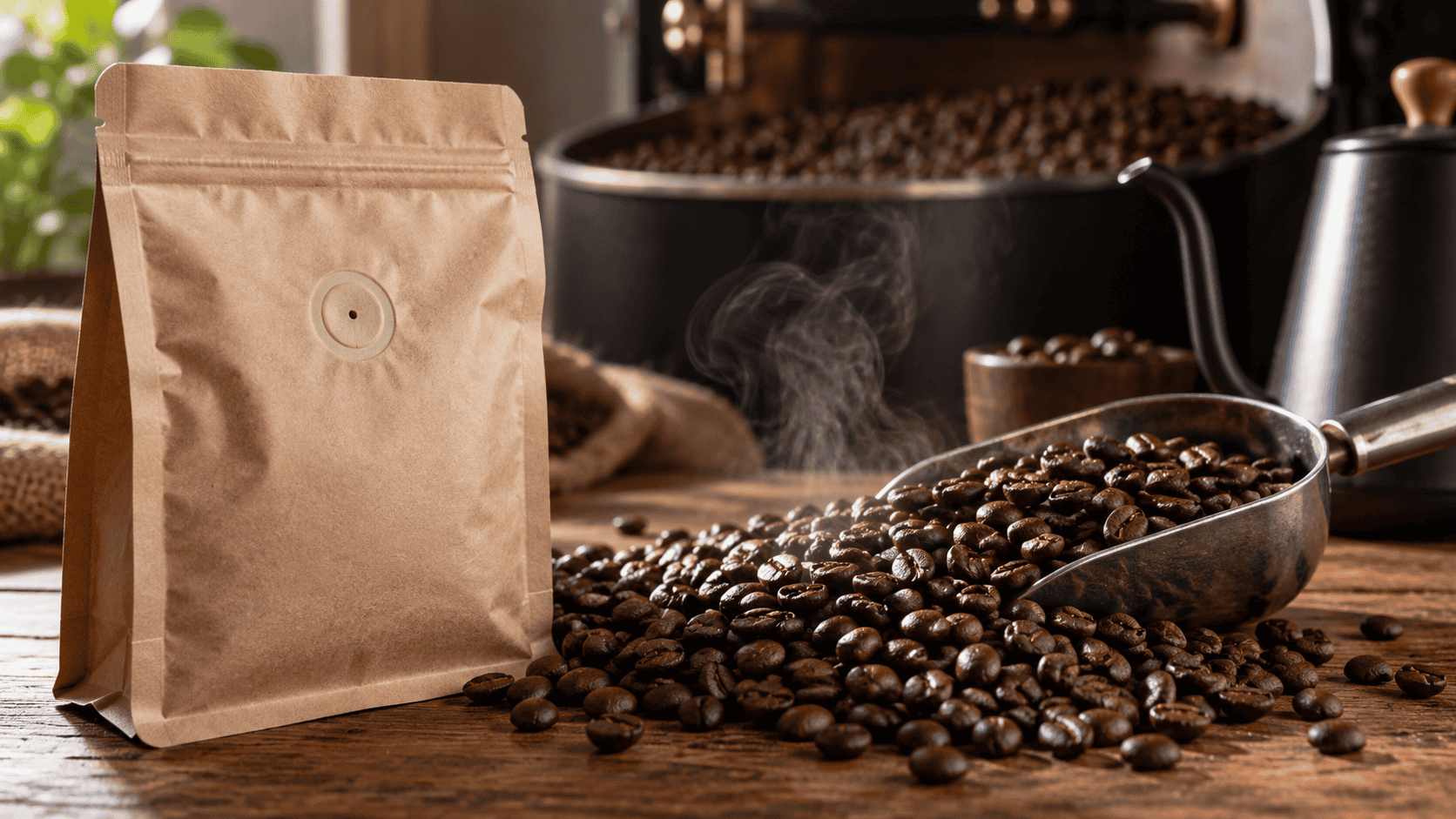
The small one-way valve lets roasting gas escape while limiting the oxygen that would accelerate staling. This refreshed guide separates the dependable principle from the details that vary by coffee, equipment, recipe, and personal taste. That distinction matters because coffee language often sounds more exact than it is.
Degassing continues after roasting, especially during the first days. Without a valve, a tightly sealed bag can swell; with an open hole, oxygen and moisture would reach the coffee freely. The useful approach is to begin with a sound baseline, observe the cup or equipment, and make one change at a time. You do not need perfect laboratory control, but you do need enough consistency to know which change produced the result.
What the term means in practice
Freshly roasted coffee releases carbon dioxide. A one-way degassing valve lets pressure leave a sealed bag without requiring the roaster to leave it open, while helping reduce oxygen entry. Treat that as a starting point rather than a rigid promise. Coffee is an agricultural product, recipes differ, and equipment designs create their own boundaries. When a package, brewer manual, café menu, or roaster provides a specific definition, use that information for the product in front of you.
A useful explanation should also say what the answer does not mean. It does not guarantee the same flavor, strength, caffeine, shelf life, or performance in every situation. The goal is to give you a reliable way to make the next decision, then let taste, observation, and manufacturer guidance refine it.
What changes the result
- 1. Roast level, roast date, bean temperature, and packaging timing.
- 2. Whole bean versus ground coffee.
- 3. Valve quality, bag barrier material, seal integrity, heat, and storage.
These variables interact. Changing several at once can make a good result difficult to repeat and a bad result difficult to diagnose. Keep a brief note of the coffee, equipment, amount, time, and outcome. That simple record turns a vague impression into a useful comparison.
Water and freshness deserve special attention in almost every coffee question. Clean water with a balanced mineral level supports extraction, while stale coffee can flatten aroma and make technique changes seem ineffective. Clean equipment prevents old oils and residue from becoming part of the flavor.
A practical method
- Step 1: Keep the valve and seal intact and store the bag in a cool dark place. This keeps the decision observable and makes the next adjustment easier to judge.
- Step 2: Use the zipper or transfer coffee to a clean airtight opaque container after opening. This keeps the decision observable and makes the next adjustment easier to judge.
- Step 3: Pressing the valve may release aroma, but avoid repeatedly squeezing the bag. This keeps the decision observable and makes the next adjustment easier to judge.
- Step 4: Buy an amount you can use while the flavor remains lively. This keeps the decision observable and makes the next adjustment easier to judge.
After the first attempt, judge the result when it is safe and at a useful tasting temperature. Aroma, sweetness, acidity, bitterness, body, texture, and finish provide more information together than any single visual cue. Repeat the best version before deciding that you have found a permanent setting.
Common mistakes to avoid
- Assuming the valve is a freshness button that should be pressed daily. Correct it by returning to the basic method, checking one variable, and comparing the next result.
- Treating a valve as a substitute for a good seal. Correct it by returning to the basic method, checking one variable, and comparing the next result.
- Storing the bag where heat and sunlight speed staling. Correct it by returning to the basic method, checking one variable, and comparing the next result.
Another common mistake is treating an informal coffee term as a regulated standard. Roast names, café drinks, serving sizes, grinder numbers, and strength labels often vary. Specific weights, ratios, model instructions, and ingredient lists are more dependable than assumptions based on a name.
How this fits with other coffee decisions
This topic connects naturally with How Do You Know When a Moka Pot Is Done?, Why Is Geisha Coffee So Expensive?, How Should Espresso Taste?, Why Doesn’t Cinnamon Dissolve in Coffee?. Those guides help you move from a single answer to a complete routine, whether you are choosing coffee, measuring a recipe, troubleshooting flavor, or caring for equipment.
Use the related guides when you need to compare measurements, brew methods, storage, or equipment care. Start with the page that matches the decision in front of you, keep the rest of the setup consistent, and follow the current manufacturer instructions whenever a specific machine, filter, grinder, or accessory sets a safety or compatibility limit.
Frequently asked questions
Can oxygen enter through the valve?
A functioning one-way valve is designed to favor outward gas flow, though no package stops aging forever. Use the product instructions or café recipe when it defines the term more narrowly.
Do ground-coffee bags need valves?
They may use them, but ground coffee often degasses faster and packaging varies. Use the product instructions or café recipe when it defines the term more narrowly.
Why is my bag puffed up?
Continued degassing, temperature, altitude, or a valve issue can increase pressure; inspect the package before use. Use the product instructions or café recipe when it defines the term more narrowly.
The takeaway
Freshly roasted coffee releases carbon dioxide. A one-way degassing valve lets pressure leave a sealed bag without requiring the roaster to leave it open, while helping reduce oxygen entry. Begin with the practical method above, keep the setup consistent, and make small changes based on what you observe. That produces a more dependable answer than chasing a universal rule that ignores the coffee or equipment in front of you.
Reviewed October 9, 2026. This page is educational and contains no forced shopping links. The existing URL is preserved, the information has been rewritten for clarity, and the related reading points to other relevant pages on Fueled By Coffee.
A simple review checklist
Before repeating the process, confirm that the equipment is clean, the coffee or ingredient is fresh, measurements are consistent, and the chosen method matches the intended result. Note what changed and what stayed constant. If the result improves, repeat it once before making another adjustment.
When a safety, compatibility, storage, or maintenance question depends on a specific product, the manufacturer’s current instructions take priority. Stop using damaged equipment, avoid improvising with pressure or heat, and replace seals, filters, or worn parts only with compatible components.