
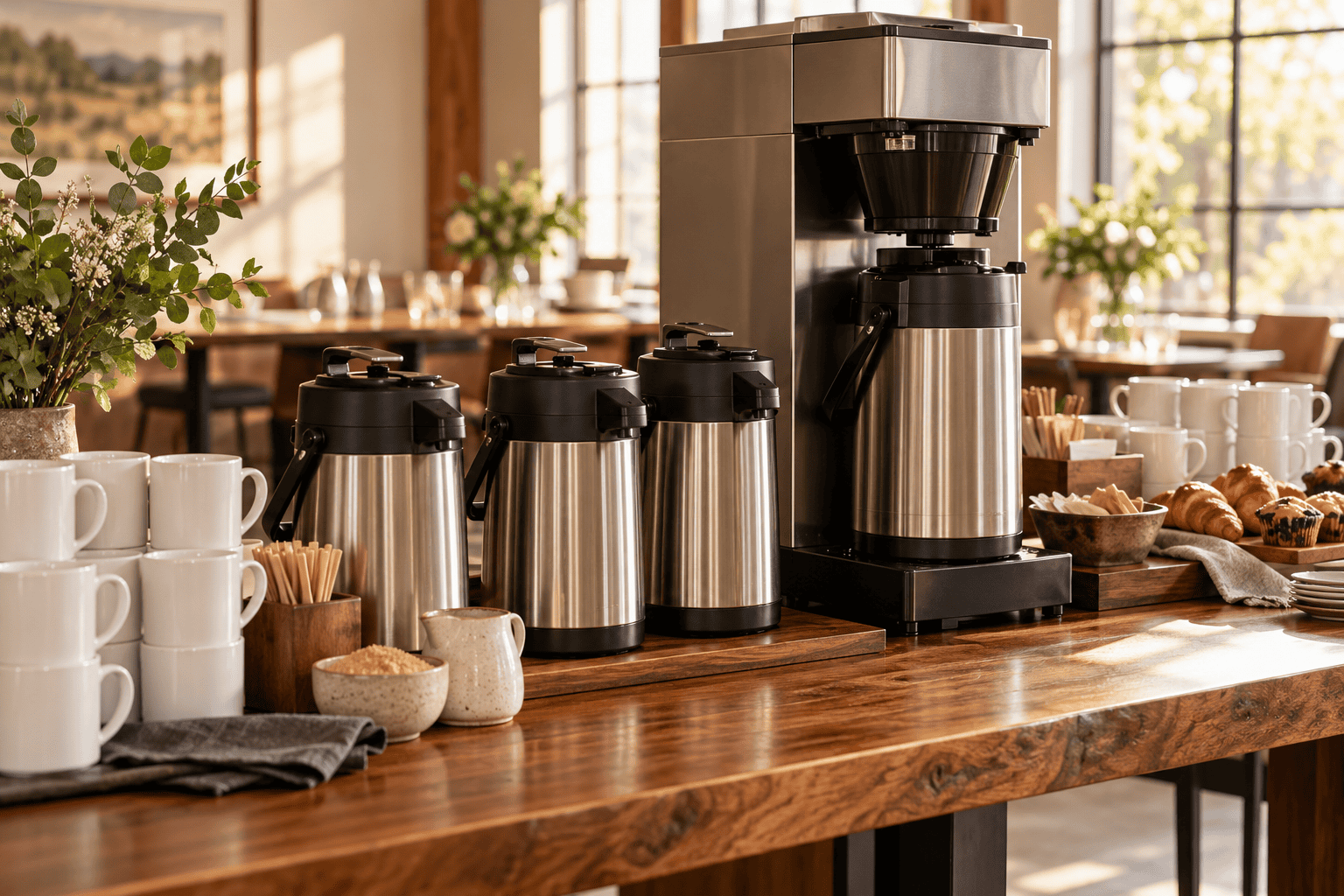
Coffee for a group improves when batch size, brewer capacity, grind, water, holding time, and serving schedule are planned together. More grounds or longer contact time is not a reliable shortcut.
This guide was reviewed against current official product information where a model is discussed. Specifications and packages can change, so verify the exact label or manufacturer page before acting.
Count cups in real volume
A coffee maker cup can be much smaller than a household mug. Estimate the number of guests, mug size, expected refills, and other beverages in milliliters or fluid ounces. Brew a little reserve rather than doubling a recipe blindly and overflowing the brewer. Begin with the ordinary situation, not the most dramatic edge case. Write down the starting condition, use one controlled change, and inspect the result before repeating it. That small discipline makes advice easier to follow and prevents convenience from turning into a careless habit.
Respect the brewer’s maximum batch
Use the manufacturer’s capacity and filter size. A pour-over, batch brewer, press, or moka pot has limits for bed depth, water path, pressure, and safe fill. If the group exceeds one batch, schedule two normal batches instead of packing in extra coffee and water. A reliable routine separates visible evidence from assumptions. Check the model, material, setting, or condition that is actually present, then follow the instructions that apply to it. When the result differs from expectation, stop and review instead of adding more force, heat, liquid, or time.
Start from a measured ratio
Weigh coffee and water with the ratio that already works for the brewer and roast, then adjust in small steps. Scoops vary with bean density and technique. Record the successful batch so the second one matches instead of relying on memory during a busy gathering. Keep the setup simple enough to repeat on a busy day. Prepare the workspace, protect nearby people and surfaces, and keep the relevant instructions available. Consistency is more valuable than a complicated routine that is remembered differently each time.
Grind for the larger bed
A larger batch may drain more slowly because the coffee bed is deeper. If a familiar ratio tastes dry, bitter, or hollow and the brew time stretches, a modestly coarser grind may help. Change one step at a time rather than making the grind dramatically coarse. Treat maintenance as part of the decision rather than an afterthought. Consumables, cleaning, storage, replacement parts, and the time needed for safe use can matter more than an impressive feature list. A product or method is useful only when the full routine fits the owner.
Distribute water evenly
For manual brewers, wet the grounds evenly, allow an appropriate bloom, and pour without digging channels or flooding above the safe level. For machines, confirm the spray head and basket are clean. Uneven saturation can produce both sour weak pockets and over-extracted bitter areas. Use notes that another person could understand later. Record names, dates, settings, and any warning signs in plain language. This creates a dependable reference when conditions change and makes it easier to identify whether a result came from the tool, the material, or the technique.
Plan batches around serving time
The freshest approach is often overlapping smaller batches with guest arrival. Preheat clean thermal servers with hot water, empty them, and transfer finished coffee promptly. Do not leave brewed coffee on a hot plate for long periods when a suitable thermal server is available. Safety limits deserve the same attention as performance. Stop when there is damage, unusual heat, odor, sound, irritation, instability, or a result that cannot be explained. Manufacturer directions and qualified professional advice take priority over a shortcut found in a general guide.
Keep equipment clean between batches
Old oils, paper fragments, scale, and a partially blocked outlet become more noticeable across a large brew. Clean and rinse as the equipment manual directs before the event. Between batches, remove spent grounds safely and let hot parts drain without rushing hands near steam. Compare choices using the same real-world test. Hold the main variables steady, evaluate the outcome in normal conditions, and include cleanup and storage in the judgment. This avoids choosing a winner based on a one-minute impression that does not represent regular use.
Offer strength adjustments at the cup
Serve the balanced base coffee and let guests add hot water or milk to taste rather than making the whole batch excessively strong. Keep dairy and alternatives at safe temperatures, label allergens, and provide a separate decaffeinated option when the group needs one. Plan for the person who will actually do the work. Reach, vision, dexterity, attention, experience, and supervision can change what counts as simple. The best process is the one that can be completed correctly without improvising around controls, labels, or missing accessories.
Use a short event checklist
Stage weighed doses, filters, water, timers, servers, labels, and cleanup tools before guests arrive. Note the start time of each batch and discard coffee that has been held too long for quality or food-safety conditions. Review leftovers to improve the estimate next time. Finish with a quick review before putting everything away. Confirm that equipment is clean, dry, switched off, capped, or backed up as appropriate, and note anything that needs replacement. That final minute protects the next session from inheriting an unseen problem.
Quick checklist
- Calculate real mug volume.
- Stay within brewer capacity.
- Weigh coffee and water.
- Adjust grind only in small steps.
- Use clean preheated thermal servers.
- Label dairy, alternatives, and decaf.
Why these checkpoints matter
- Calculate real mug volume. This defines the starting condition and prevents the rest of the process from resting on an assumption.
- Stay within brewer capacity. This narrows the choice to evidence you can verify on the exact label, model, or scene.
- Weigh coffee and water. This checkpoint reduces avoidable risk before another variable is introduced.
- Adjust grind only in small steps. This keeps the routine compatible with the person, product, material, or equipment involved.
- Use clean preheated thermal servers. This creates a repeatable step instead of relying on memory or marketing language.
- Label dairy, alternatives, and decaf. This final review catches changes in condition, availability, or instructions before the next use.
Common questions
Can I just add more grounds to make a bigger batch?
No. Capacity, water flow, bed depth, and contact time all change. Brew another normal batch when needed.
Why does a large batch taste bitter?
A deeper bed may drain slowly, and long hot holding can add harshness. Review grind, flow, time, and storage separately.
How long should coffee stay in a thermal server?
Quality depends on the server and coffee. Brew near serving time and use sensory checks rather than treating insulation as indefinite freshness.